


We have become highly selective about beauty. We question what we put on our faces, bodies and hair. We understand the language of parabens, allergens, preservatives, actives and irritants.
We talk about the skin barrier, inflammation, sensitivity and long-term skin health in a way that would once have belonged only in a dermatologist’s office. But we rarely bring the same scrutiny to the products used throughout the home. That is the contradiction.
Homecare has always been treated as something that happens around us. In reality, it happens to us, too. It is woven into the sheets we sleep in, the towels against our skin, the clothes we wear and the surfaces our hands return to throughout the day.
For decades, household cleaning has been judged almost entirely by visible performance: whether it removes stains, cuts through grease, lifts odour, kills bacteria or leaves a surface looking clean.
But the more important question now is what it leaves behind.
The skin is not only affected by the products we apply deliberately. It is also affected by what it encounters repeatedly: detergents, residues, fragrance allergens, preservatives, enzymes, surfactants and harsh cleaning agents.
And this is not only a sensitive-skin issue. Repeated exposure can irritate normal skin, disrupt the skin barrier and contribute to dryness, itching, redness, soreness, sensitivity and flare-ups. For those already prone to eczema or dermatitis, the concern becomes even more significant.
The data makes the point difficult to ignore. UK Parliament’s POST brief (2023) reports that indoor air can be 2–10 times more polluted than outdoor air, with cleaning products named as a serious contributor. The Health and Safety Executive also states that prolonged contact with water, soaps and detergents causes around 55% of dermatitis cases in catering and food occupations.
These figures should change how we think about clean.
Not because every cleaning product is harmful. But because the home is part of the skin’s daily environment. The products we use on our clothes, bedding, towels, dishes and surfaces are part of the repeated exposure our skin lives with every day.
This is where the old language of the category starts to look thin. “Gentle” is no longer enough. “Natural” is too vague. And “clean” is not the whole story.
The next shift in homecare is dermatological.
It asks whether a product has been considered not just as a cleaning formula, but as something that lives close to the skin. It asks whether performance has been balanced with skin comfort. It asks whether unnecessary irritants, allergens, enzymes, harsh chemicals, hormone disruptors and hidden toxins have been avoided wherever possible.
It also asks for a higher standard of evidence. Dermatological testing. Ingredient transparency. Skin-conscious formulation. Products designed not only for effective cleaning, but for the reality of daily, repeated contact with the body.
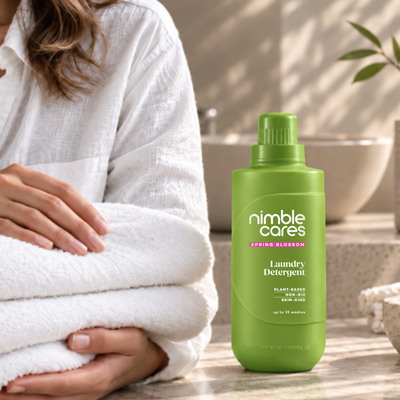
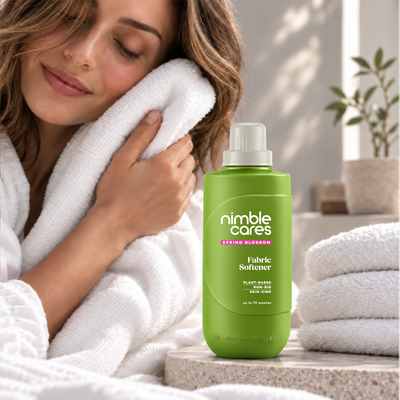
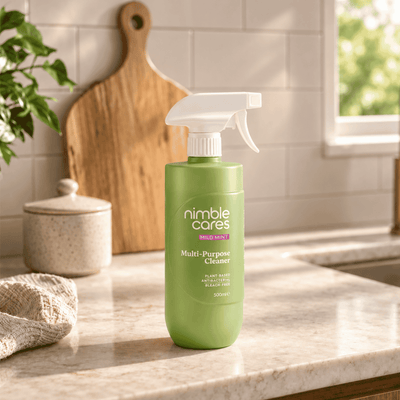
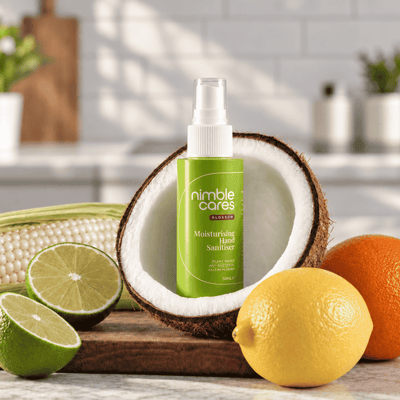
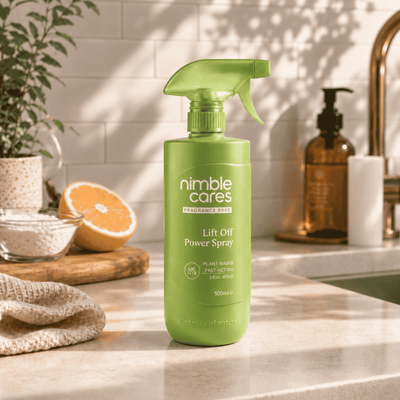
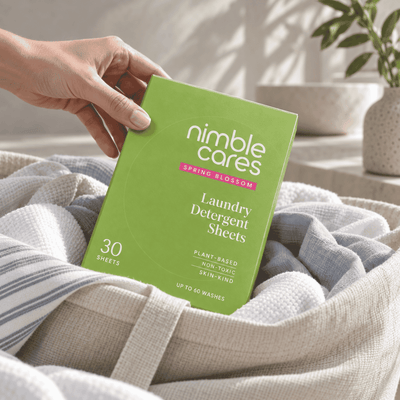
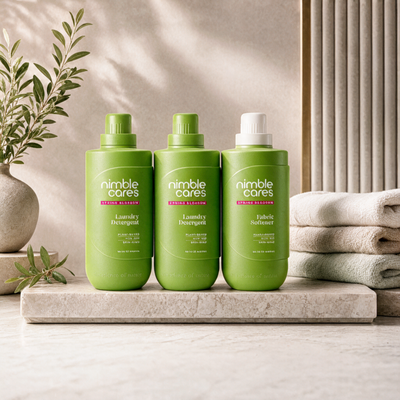
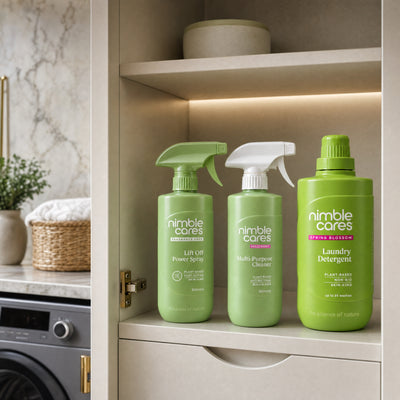
This is where Nimble Cares is setting a new standard: skincare-grade homecare, dermatologically tested for everyday skin health.
Our plant-based, non-bio formulas are developed for all skin types, including normal, sensitive, eczema-prone and dermatitis-prone skin.
Free from enzymes, harsh chemicals, skin irritants, hormone disruptors and hidden toxins, they deliver powerful cleaning with a higher standard of skin safety, testing and ingredient integrity.
Because what touches your home touches your skin.
SKINCARE FOR THE HOME
Powered by nature. Approved by skin.